The smooth development of your child’s jaw and smile can be significantly improved by identifying the signs your child needs early orthodontic treatment. Even though baby teeth eventually fall out, they are essential for maintaining space for permanent teeth and directing healthy face development; thus, minor alignment or bite problems can manifest even before adolescence.
Many parents believe that orthodontic treatment should only begin when all permanent teeth have erupted; however, waiting until a child is twelve or thirteen years old might occasionally make it more difficult to fix narrow jaws or severe crowding. Knowing what to watch for as your child gets older can help you decide when to seek children’s orthodontics for a timely checkup and to provide the healthiest foundation for their growing smile.
What Is Early Orthodontic Treatment and How Is It Different?
Often called Phase 1 or interceptive care, early orthodontic treatment for children takes place. In contrast, a child still has a mix of baby teeth and incoming permanent teeth, typically between ages seven and ten.
Unlike comprehensive teenage orthodontic treatment, which focuses on moving all permanent teeth into their final positions, early intervention targets specific structural or developmental concerns. At the same time, your child’s jawbones are still soft and actively growing. An orthodontist can often prevent more invasive treatments, such as permanent tooth extractions or jaw surgery, later in life by gently regulating jaw width, making room for incoming teeth, or addressing bad oral habits early.
Common Signs of Orthodontic Problems in Children
To identify early signs in your child’s smile, you don’t need to be a dentist. It is considerably simpler to identify signs of orthodontic problems in children when one pays attention during brushing, mealtimes, and sleep:
1. Crowded, Overlapping, or Crooked Teeth
To make room for the adult teeth, baby teeth naturally have tiny gaps between them. Crowded teeth in children are likely to worsen in the absence of adequate arch space if their baby teeth are firmly packed together or if their upcoming permanent teeth twist and overlap.
2. Early or Late Loss of Baby Teeth
The majority of kids lose their baby teeth between the ages of five and six, and they usually stop around twelve. Neighboring teeth may drift and prevent permanent teeth from erupting normally if baby teeth are lost abnormally early owing to decay or damage, or if they are retained long after the normal time frame.
3. Noticeable Child Bite Problems
When your child bites all the way down, their upper teeth should rest slightly in front of their lower teeth. Watch for child bite problems such as:
- Overbite: Excessive overlap between the upper and lower teeth.
- Underbite: The lower front teeth are positioned forward of the upper front teeth.
- Crossbite: The lower jaw frequently shifts sideways when the upper teeth bite inside the lower teeth on one or both sides.
- Open Bite: When the rear teeth are closed together, the upper and lower front teeth do not come into contact.
4. Protruding Front Teeth
In addition to making it more difficult for a youngster to close their lips at rest comfortably, upper front teeth that protrude considerably forward are more susceptible to unintentional chips or fractures during sports and playground mishaps.
5. Difficulty Chewing, Biting, or Speaking
An underlying biting imbalance may be impeding normal function if your child often avoids crunchy foods, chews primarily on one side, bites their cheeks or the roof of their mouth unintentionally, or has trouble with specific speech sounds like lisping.
6. Mouth Breathing and Persistent Oral Habits
Chronic mouth breathing, habitual snoring, thumb-sucking, and pacifier use after age four or five can cause constant pressure on growing bones, which often leads to narrowing of the upper palate and misalignment of the front teeth.
7. Jaw Shifting, Clicking, or Asymmetry
When your kid opens or closes their mouth, pay attention to whether their chin moves to one side, or they complain of jaw ache, fatigue, or clicking sounds near their ears.
Why Age 7 Is the Ideal First Orthodontist Visit Age
When a child should see an orthodontist is a common question among parents, and the American Association of Orthodontists advises scheduling an initial examination around age 7. Children often have their first permanent molars and front incisors in place at this age, which enables an orthodontist to assess how the side-to-side and front-to-back bite relationships are developing.
It’s not guaranteed that your child will have braces on that day if they have an early checkup. An orthodontic evaluation gives many children peace of mind. Until the time is right, it places them on a free growth-monitoring program every six to twelve months.
What Happens During a Child’s Orthodontic Evaluation?
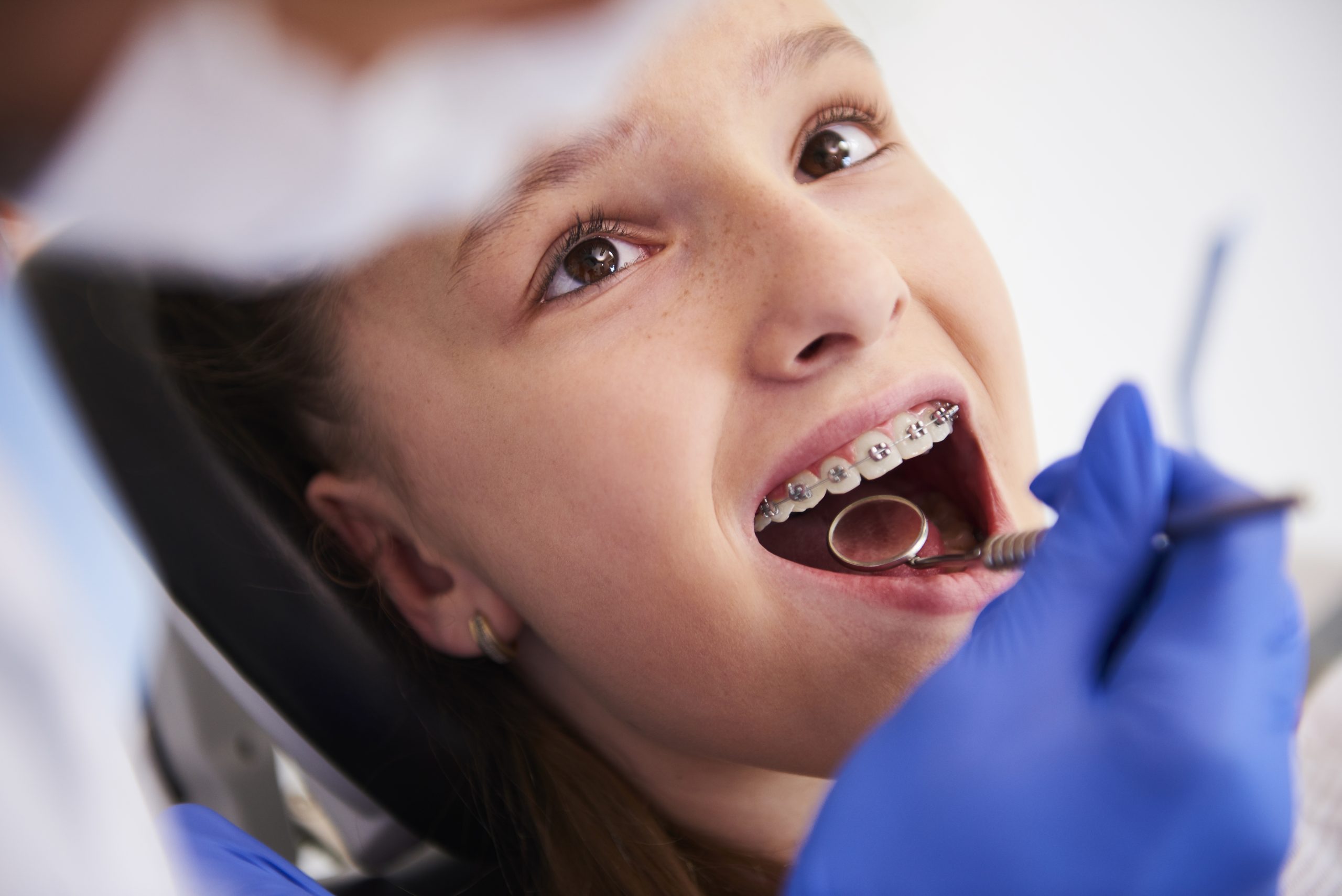
The initial appointment with a reputable orthodontic firm serving families in the Northborough area is kind, informative, and stress-free. Your child’s teeth, bite alignment, and facial symmetry will all be visually examined by the orthodontist in Northborough. Digital X-rays showing permanent teeth remaining under the gums will be reviewed, and any habits, such as thumb sucking or mouth breathing, will be discussed.
Your provider will monitor your child’s development over time if everything is going according to plan. A space maintainer, partial braces to gently guide arriving teeth into position, or a moderate palatal expander to enlarge a small upper jaw are among the choices if early guidance is advised.
Give Your Child’s Smile a Healthy Start
By keeping an eye out for signs that your child needs early orthodontic treatment, you can address minor alignment or jaw growth issues before they become more serious dental problems. An early examination gives you clear answers and confidence in your child’s dental health, regardless of whether they require gentle early guidance or just regular observation as they grow.
Get in touch with Aubin Orthodontics right now to arrange a pleasant orthodontic evaluation and find out how your child’s smile is progressing if you’ve noticed crowding, bite shifts, or oral habits!
Frequently Asked Questions
1. At what age should a child first see an orthodontist?
Around age seven, children should receive their first orthodontic examination. An orthodontist can identify modest jaw growth or crowding abnormalities early on since enough permanent molars and front teeth have emerged by this age.
2. What are the early signs that a child needs braces?
Crowded or overlapping teeth, front teeth that protrude, overbites, underbites, crossbites, early or late tooth loss in newborns, thumb sucking after age 5, mouth breathing, and trouble chewing comfortably are common early indicators.
3. Do children need orthodontic treatment before all their permanent teeth come in?
Indeed. When a child’s jawbones are still developing, and their baby teeth are still present, it is simpler to treat certain conditions such as severe crowding, crossbites, narrow upper jaws, or protruding front teeth.
4. Does every child need early orthodontic treatment?
No. At age seven, most youngsters do not require active treatment; instead, an early assessment identifies the smaller group that benefits from prompt care, while keeping everyone else under observation until their permanent teeth erupt.